

Trinity Technologies offers an intensive 2-month Docker course, designed to equip participants with practical skills in containerization and modern DevOps practices. The program covers essential topics such as Docker architecture, image creation and management, container orchestration, networking, and integration with CI/CD pipelines. Participants gain hands-on experience through practical exercises, real-world projects, and simulations, ensuring proficiency in deploying, managing, and scaling applications using Docker. Located in Trivandrum, Trinity Technologies is Kerala's premier IT training institute, renowned for delivering high-quality Docker training that prepares participants for successful careers in DevOps, cloud computing, and IT operations.

01
What is Docker?
Why Docker and Containers?
Virtual Machines vs Docker Containers
Understanding the Container Ecosystem
Docker Setup Overview (Windows, macOS, Toolbox)
Docker Playground and Tools Overview
Installing and Configuring IDEs for Docker Projects
02
Docker Architecture: Images, Containers, and Registries
Building and Running Containers
Understanding Dockerfiles
Creating Custom Docker Images
Exposing Ports and Networking Basics
Understanding Image Layers and Read-Only Filesystems
Managing Containers: Start, Stop, Restart, Remove
03
Naming, Tagging, and Inspecting Images
Copying Files into and from Containers
Interactive Mode and Detached Containers
Automatic Removal of Stopped Containers
Container Logs and Troubleshooting
Time to Practice: Hands-on Image & Container Management
04
Overview of DockerHub
Pushing and Pulling Images
Public vs Private Repositories
Image Versioning and Security Best Practices
05
Understanding Data Categories
Introducing Volumes
Anonymous vs Named Volumes
Bind Mounts and Live Code Sharing
Combining Volumes and Bind Mounts
Using .dockerignore to Optimize Builds
Using COPY vs Mounts for File Management
Managing and Cleaning Up Volumes
06
Environment Variables and .env Files
Build Arguments (ARG) in Dockerfiles
Secrets Management and Security Practices
Docker Build Context Optimization
07
Communication Scenarios: o Container to WWW o Container to Host o Container to Container
Understanding Docker Network Drivers
Bridge, Host, and Overlay Networks
Docker DNS and IP Address Resolution
Container-to-Container Networking via Networks
08
Dockerizing Multi-Service Applications (NodeJS, MongoDB, React)
Adding Networks for Cross-Container Communication
Fixing MongoDB Authentication and Persistence
Live Source Code Updates for Frontend Containers
Using Bind Mounts in Development
09
What is Docker Compose and Why Use It?
Creating a docker-compose.yml File
Understanding Service Configuration
Managing Multi-Container Applications
Building Images in Compose
docker-compose up, down, and Scaling Services
Combining Dockerfiles with Compose
10
Concept of Utility Containers
Running Commands Inside Containers
Using ENTRYPOINT and CMD Effectively
Utility Containers for PHP, Node, and Composer Tasks
Managing Permissions and Environment
11
Dockerizing a Full Laravel (PHP + Nginx + MySQL) Stack
Managing Multiple Containers with Docker Compose
Bind Mounts and COPY Best Practices
Launching and Scaling Specific Services
12
From Local Development to Production
AWS EC2 Setup for Docker Deployment
Installing Docker on Linux and EC2
Pushing Images to Cloud Repositories
Deploying Containers on AWS ECS (Managed Service)
Using Load Balancers and EFS Volumes
Connecting to External Databases (MongoDB Atlas)
Understanding Multi-Stage Builds
Development vs Production Configurations
13
Docker CLI Essentials
Networking, Volumes, and Compose Recap
Best Practices for Image Optimization
Local vs Cloud Deployment Overview
Trinity Technologies in Trivandrum offers an in-depth Docker training and certification program designed to equip participants with essential containerization and DevOps skills. This program caters to both beginners and IT professionals aiming to excel in modern software deployment and infrastructure management. Through a blend of theoretical knowledge and hands-on experience, participants gain mastery in using Docker to build, deploy, and manage containerized applications efficiently. The training is led by industry experts who ensure learners are well-prepared to implement Docker in real-world scenarios, making Trinity Technologies a top choice for aspiring DevOps engineers and IT professionals.
Trinity Technologies, located in the vibrant city of Trivandrum, Kerala, is renowned for its excellence in IT and DevOps training. The institute has a long-standing reputation for delivering high-quality education tailored to meet industry standards. Trinity's Docker course is meticulously designed to provide students with hands-on experience, ensuring they are job-ready upon course completion. The institute’s commitment to practical learning, combined with the expertise of its faculty, makes it a trusted destination for those looking to advance their careers in DevOps and IT operations.
At Trinity Technologies, the Docker training program is conducted by experienced professionals with extensive knowledge in DevOps and cloud infrastructure. The instructors guide students through every aspect of Docker, from fundamental concepts to advanced container orchestration. The curriculum covers key areas such as container creation, image management, Docker networking, volumes, and CI/CD integration, ensuring that students gain a deep understanding of Docker's role in modern IT workflows.
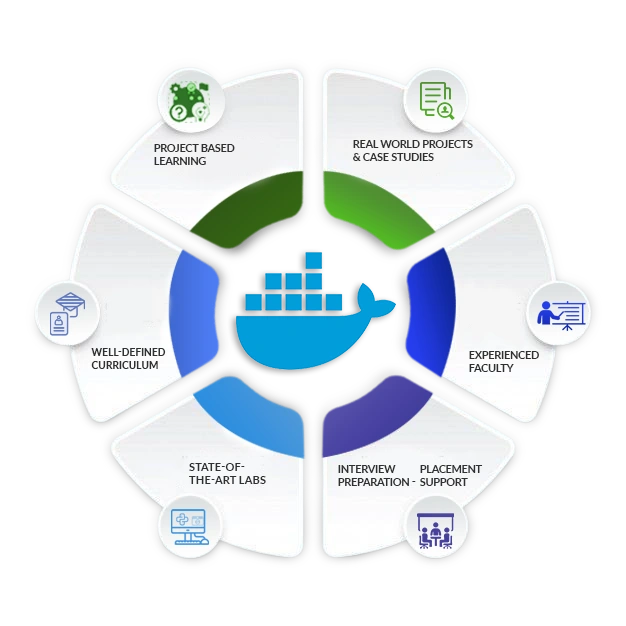
Trinity Technologies emphasizes practical learning. The Docker course includes extensive hands-on labs, real-world projects, and case studies. This approach helps learners develop the skills required to deploy, manage, and scale applications efficiently using Docker, preparing them for challenges they will face in professional DevOps and IT operations roles.
Trinity Technologies provides modern labs equipped with the latest software and tools for Docker training. These labs simulate real-world IT environments, allowing students to apply their knowledge in controlled, realistic scenarios. This ensures participants gain ample practical experience and become confident in container management and orchestration.
Upon successful completion of the Docker training program, students receive a certification recognized by employers in IT and DevOps. Trinity Technologies also offers career support, including resume building, interview preparation, and job placement assistance, connecting students with opportunities to launch or advance their careers in DevOps, cloud computing, and IT operations.
Docker certification demonstrates proficiency in containerization and modern IT deployment practices. Here’s why it is valuable:
Industry Recognition: Docker is widely adopted by IT and cloud companies. Certification validates your skills and enhances credibility in the job market.
Career Advancement: Certified professionals are better positioned for roles such as DevOps Engineer, Cloud Engineer, System Administrator, and IT Operations Specialist.
Comprehensive Skill Set: The program covers container creation, orchestration, networking, volumes, and CI/CD integration, ensuring you are well-versed in end-to-end Docker workflows.
Increased Earning Potential: Certified Docker professionals often command higher salaries than non-certified peers, making it a worthwhile investment.
Global Applicability: Docker skills are in demand worldwide, opening doors to international opportunities in DevOps and cloud computing.
Trinity Technologies in Trivandrum is dedicated to providing a transformative learning experience through its Docker training program. Whether you are a fresh graduate or an experienced IT professional, the course equips you with the skills and confidence to excel in the fast-paced world of DevOps and containerized applications. By choosing Trinity Technologies, you are investing in a future full of opportunities and success in IT operations and cloud computing.
What is the Docker course about?
Our Docker course provides comprehensive training on Docker, a leading containerization platform used for building, deploying, and managing applications efficiently. The course covers essential topics such as container creation, image management, networking, volumes, and orchestration, giving you practical skills for modern IT workflows.
Who should take this course?
This course is ideal for IT professionals, DevOps engineers, system administrators, software developers, and anyone interested in learning containerization and modern application deployment techniques.
What are the prerequisites for this course?
No formal prerequisites are required, but a basic understanding of Linux, networking, and IT operations is helpful. Beginners will receive foundational knowledge to get up to speed with Docker concepts.
How is the course delivered?
The course is delivered through a combination of in-person workshops or online sessions, along with practical exercises. You will engage in interactive lectures, hands-on labs, and real-world projects to gain practical experience with Docker.
How long is the Docker course?
The course typically spans 2 months with multiple sessions per week. Please contact our admissions office for exact schedules and timings.
What materials and resources are provided?
Students receive comprehensive course materials, access to Docker software, and lab exercises for hands-on practice. Additional resources include project guides and reference documents to reinforce learning.
Will I receive a certification upon completion?
Yes, upon successful completion, students receive a certificate of completion from Trinity Technologies, validating your Docker skills and readiness for professional deployment.
Are there any exams or assessments in the course?
The course includes quizzes, assignments, and practical labs to evaluate your understanding and proficiency in Docker.
What career opportunities can benefit from Docker skills?
Proficiency in Docker can lead to roles such as DevOps Engineer, Cloud Engineer, System Administrator, Software Developer, and IT Automation Specialist. Docker skills are highly valued across IT and cloud-based industries.
How do I enroll in the course?
You can enroll by contacting our admissions team or visiting our office. They will provide course schedules, fees, and registration procedures.
What if I have more questions or need additional information?
For further questions or additional information, please contact our admissions office. We are happy to assist you with any inquiries regarding the Docker course.
What key features of Docker are covered in the course?
The course covers key Docker features, including:
Containerization: Creating, running, and managing containers for consistent application deployment.
Image Management: Building, storing, and managing Docker images efficiently.
Networking: Configuring container networking for communication and scalability.
Volumes & Storage: Managing persistent data for containers and applications.
Orchestration: Using Docker Compose and integrating with CI/CD pipelines for automation.
Can I use Docker for multiple projects or environments?
Yes, Docker allows you to manage multiple projects or environments simultaneously. The course guides you on creating isolated containers, managing different applications, and handling deployments efficiently across projects.
Trinity Technologies
Radheyam Tower
Gandhari Amman Kovil Road
Opp. Rajakumari Jewelry, Pulimood
Trivandrum, Kerala, 695001
Phone Numbers:
Email:
Monday - Saturday: 7:00 AM - 8:00 PM
Sunday: Closed
Batch Timings Available:
Morning | Afternoon | Evening