

We offer a comprehensive Ansible Automation course, carefully crafted to provide in-depth training in IT automation and configuration management over a 2-month period. This program covers a wide range of topics, including Ansible fundamentals, playbooks, roles, modules, inventory management, and integration with cloud and CI/CD pipelines. Participants engage in hands-on labs, practical exercises, and real-world projects, ensuring a strong grasp of automation workflows and best practices. Our curriculum emphasizes both technical expertise and practical application, preparing students for roles in DevOps, system administration, and IT automation or for further advanced studies. Located in Trivandrum, Trinity Technologies is Kerala’s leading IT training institute, recognized for delivering high-quality education in modern automation tools and equipping participants with the skills needed to excel in today’s technology-driven world.
01
Motivation, learning outcomes, and course structure
Introduction to Ansible and its advantages
Embracing change in technology: Why Ansible remains relevant
Discussion on real-world use cases for configuration management and automation
02
Installing Docker for containerized lab setups
Installing the Ansible lab environment on Linux/macOS/Windows
Configuring SSH key-based connectivity between control and target nodes
Setting up a course repository for version control
03
Ansible configuration file structure and best practices
Inventories: static vs dynamic
Ansible modules: core, network, cloud, custom
Introduction to YAML syntax
04
Verify SSH connectivity between hosts
Create a version-controlled Ansible project repository
Create an inventory file with multiple hosts
Test basic Ansible commands using core modules (ping, shell, copy)
05
Playbook structure and sections
Variables: defining, overriding, and scope
Facts: gathering system information
Jinja2 templating for dynamic content
Running playbooks and understanding execution order
06
Write a playbook to install and configure Nginx on multiple hosts
Use variables and templates to manage configuration files
07
Dynamic inventories for cloud and multi-environment setups
Registering variables and conditional execution (when)
Loops for repetitive tasks
Asynchronous, serial, and parallel task execution
Task delegation to other hosts
Magic variables for runtime data
Grouping tasks with blocks
08
Write a playbook with loops to deploy multiple users
Execute tasks asynchronously on multiple hosts
Use blocks to handle errors in playbooks
09
Managing sensitive data using Ansible Vault
Includes and imports for modular playbooks
Using tags for selective execution
Introduction to Ansible roles for scalable projects
10
Encrypt variables using Vault
Split a playbook into multiple reusable roles
Execute specific tasks using tags
11
AWS automation with Ansible (EC2, S3, IAM)
Docker container management using Ansible
Combining Docker and Ansible for DevOps workflows
12
Launch EC2 instances using Ansible
Deploy and manage a Docker container with Ansible playbooks
13
Creating custom Ansible modules
Developing plugins for specific tasks
14
Write a simple custom module to manage users
Test a custom plugin for reporting system metrics
15
Debugging playbooks and error handling
Performance optimization
Writing clean, reusable, and maintainable playbooks
16
Simulate playbook failures and resolve errors
Review and refactor a playbook for production readiness
17
Key takeaways and best practices
Suggested learning paths and references
Credits and acknowledgments
Trinity Technologies in Trivandrum is your gateway to mastering Ansible Automation, a course designed to equip you with in-demand IT automation skills. This carefully structured program is ideal for individuals aiming to streamline IT operations, manage configurations efficiently, and excel in DevOps environments. Whether you’re a beginner seeking to enter the IT field or a professional looking to enhance your automation expertise, Trinity Technologies offers a comprehensive curriculum that prepares you to work confidently with Ansible and succeed in real-world automation projects.
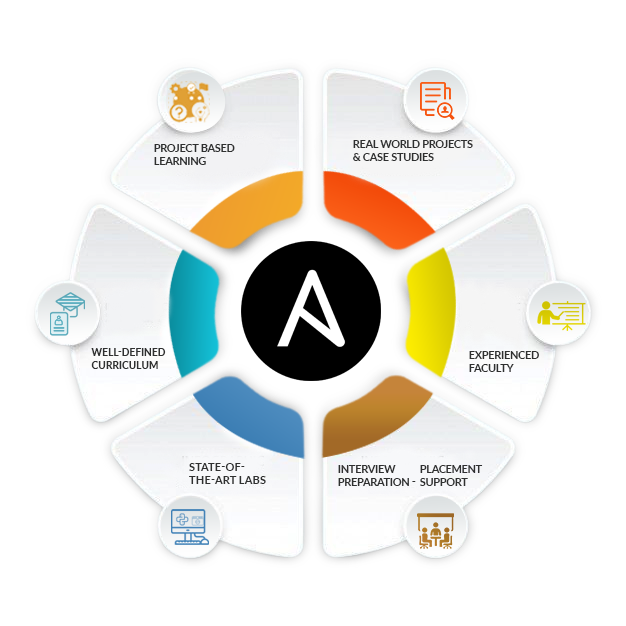
Trinity Technologies boasts a team of highly skilled instructors with extensive real-world experience in IT automation and DevOps. These professionals provide in-depth training on Ansible, ensuring students gain both theoretical knowledge and practical skills essential for managing IT infrastructure efficiently. Their guidance helps students navigate the complexities of automation projects with confidence.
Our training program is supported by state-of-the-art computer labs equipped with the latest software and tools for automation. Students actively engage in hands-on labs, practicing playbooks, roles, modules, and inventory management. This immersive approach ensures mastery of Ansible and prepares students for real-world automation scenarios.
The Ansible course at Trinity Technologies covers a wide range of topics to meet industry standards, including:
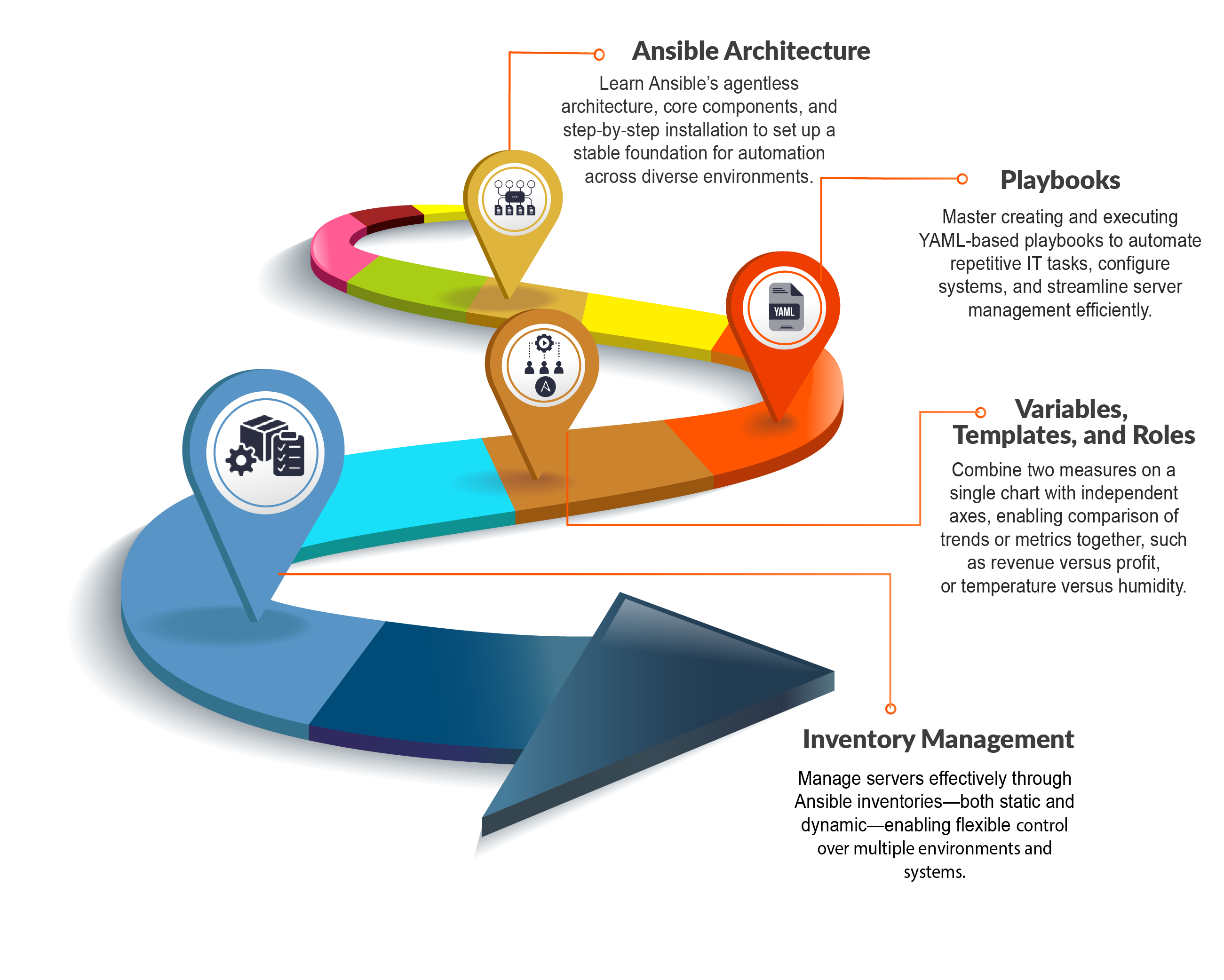
Ansible Fundamentals: Understanding configuration management, automation concepts, and architecture.
Playbooks and Roles: Writing efficient playbooks, using roles, and structuring automation workflows.
Modules and Inventory Management: Managing hosts, utilizing Ansible modules, and dynamic inventory handling.
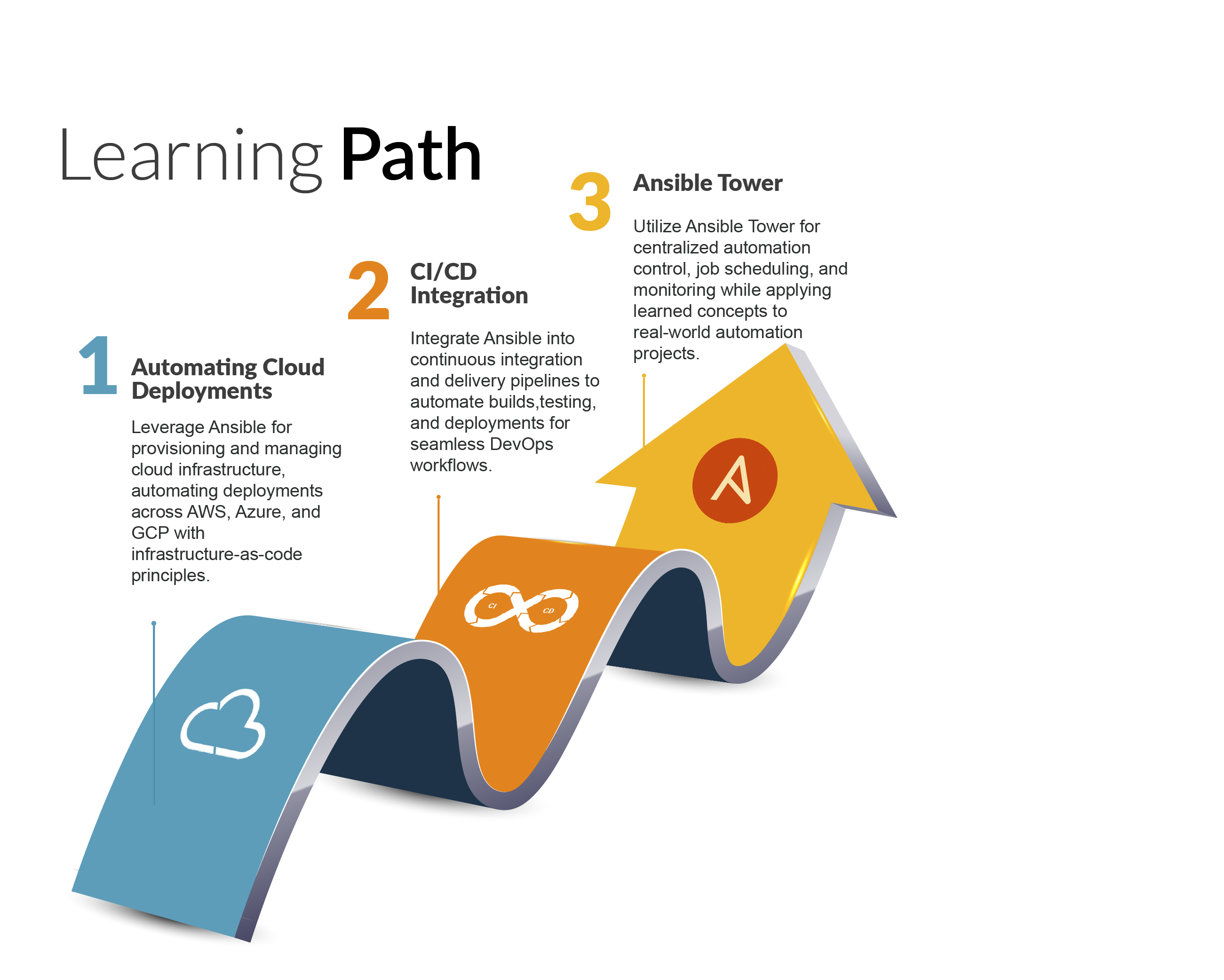
Integration with DevOps: Using Ansible with CI/CD pipelines, cloud platforms, and version control systems.
Security and Best Practices: Implementing automation securely and following industry best practices.
Hands-on training is a core part of the Ansible course. Students work on real-world automation projects, enhancing their problem-solving abilities and technical expertise. This practical approach not only prepares students for certification but also equips them to implement automation solutions effectively in professional environments.
To ensure thorough preparation, Trinity Technologies conducts regular assessments and mock exercises. Students receive detailed feedback to identify gaps, refine their skills, and boost readiness for certification or practical deployment in workplace scenarios.
Beyond training, Trinity Technologies supports students with career guidance, resume building, and interview preparation. Strong industry connections also enable job placement assistance, helping students transition seamlessly into DevOps, system administration, or IT automation roles.
Achieving Ansible Automation certification can greatly boost your career prospects in IT, DevOps, cloud computing, and system administration. The certification validates your expertise in automating infrastructure, managing configurations efficiently, and implementing real-world solutions, making you a highly valuable professional in today’s technology-driven job market.
Trinity Technologies is a leading institute for Ansible Automation training in Trivandrum, offering expert instruction, modern labs, and a hands-on, student-focused approach. By enrolling in this course, you’re investing in a future filled with career opportunities, practical skills, and growth in the rapidly expanding field of IT automation.
What is Ansible Automation?
Ansible Automation is a powerful IT tool for automating tasks, managing configurations, and deploying applications across servers efficiently. It simplifies infrastructure management and accelerates DevOps workflows.
What topics are covered in the Ansible Automation course?
The course covers Ansible fundamentals, playbooks, roles, modules, inventory management, automation best practices, and integration with cloud and CI/CD pipelines. Hands-on labs, practical exercises, and real-world projects are included for comprehensive learning.
How long is the Ansible Automation course?
The course typically spans around 2 months, with flexible pacing depending on the student's schedule and learning progress.
Who should enroll in this course?
The course is ideal for IT professionals, DevOps enthusiasts, system administrators, and beginners aiming to build a career in IT automation and infrastructure management.
Are there any prerequisites for enrolling?
A basic understanding of computers, Linux, and networking concepts is helpful but not mandatory. The course starts from fundamentals and gradually progresses to advanced topics.
Does the course include assessments or certification?
Yes, the course includes practical assignments, project work, and periodic assessments to evaluate your skills. A certification is provided upon successful completion of the program.
What career opportunities can I pursue after completing this course?
Graduates can pursue roles such as DevOps Engineer, System Administrator, IT Automation Specialist, Cloud Engineer, or IT Support Professional. The skills also provide a foundation for advanced certifications and roles in IT automation.
Is the course available online?
Yes, the course is offered in both online and in-person formats to accommodate different learning preferences and schedules.
How do I apply for the Ansible Automation course?
You can apply by contacting the admissions office directly, providing necessary documents and details.
What makes Trinity Technologies' Ansible course unique?
Trinity Technologies combines expert instructors, hands-on training, real-world projects, and modern labs in Trivandrum to deliver a high-quality, industry-relevant Ansible Automation course that equips students with practical skills for immediate application.
Trinity Technologies
Radheyam Tower
Gandhari Amman Kovil Road
Opp. Rajakumari Jewelry, Pulimood
Trivandrum, Kerala, 695001
Phone Numbers:
Email:
Monday - Saturday: 7:00 AM - 8:00 PM
Sunday: Closed
Batch Timings Available:
Morning | Afternoon | Evening